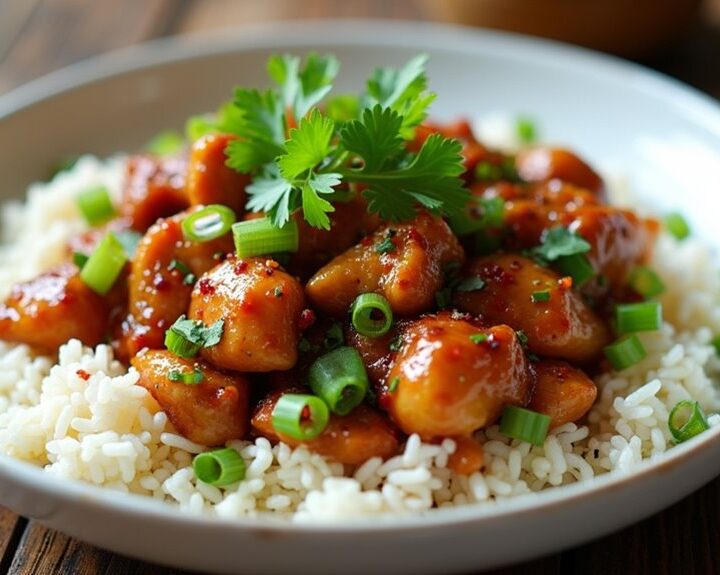
When I first tried making Mongolian Chicken, I honestly thought I’d end up with a soy-sauce disaster on my hands. But surprise, surprise—what came out was a heavenly mix of sweet and savory, making the kitchen smell like a little piece of heaven. The tender chicken, that glossy sauce, and a sprinkle of fresh cilantro? Pure magic. It’s hard not to feel cozy and loved after one bite. Curious how to create this comfort dish?
Why You’ll Love This Recipe
When you sink your teeth into these Tandoori Masala Lamb Chops, you’ll understand why they’ve become my go-to recipe for impressing guests. The flavor—the rich, smoky spices meld beautifully with tender lamb, creating a dish that’s hard to resist.
I mean, who wouldn’t want to dig into juicy chops bursting with personality? Plus, they’re surprisingly simple to make. Just marinate them with yogurt, garlic-ginger paste, and that aromatic tandoori masala for a day or two, and you’re halfway there.
The best part? Grilling them gives you that charred perfection. You know, if I can whip these up without burning my kitchen down, then anyone can.
Equipment List
To whip up these delicious Tandoori Masala Lamb Chops, you’ll need some specific equipment to make your cooking experience smooth and enjoyable. First off, grab a mixing bowl for the marinade. Trust me, a big one is key; you don’t want yogurt splattering everywhere.
You’ll also want a whisk or fork to blend it all together—no fancy equipment needed here. Next, a grill or a cast iron skillet is essential for that perfect sear. If you’re like me and don’t own a grill, the skillet works wonders.
Oh, and don’t forget tongs for flipping those chops. Finally, a plate to rest your cooked meat is a must. It’s all about keeping it tidy, right? Additionally, using premium kitchen appliances can elevate your overall cooking experience and help achieve better results.
Our Ingredients
Cooking up a storm in the kitchen can be a delightful adventure, especially when you’re making something as mouthwatering as Mongolian Chicken. Before diving into the actual cooking, let’s chat about the ingredients you’ll need to bring those flavors alive. Gathering everything beforehand not only makes the process easier, but it also helps prevent those last-minute scrambles through your pantry or fridge.
So let’s make sure you have all your bases covered. Here’s what you’ll need for your Mongolian Chicken:
- Chicken (boneless, skinless thighs or breasts)
- Soy sauce
- Brown sugar
- Green onions
- Garlic (minced)
- Ginger (fresh, minced)
- Cornstarch
- Sesame oil
- Red pepper flakes (optional for some heat)
- Vegetable oil for frying
- Fresh cilantro (for garnish)
Now, it’s important to reflect on the quality of your ingredients. Fresh garlic and ginger can elevate your dish to a new level, bringing vibrant flavors that pre-packaged alternatives just can’t match.
Plus, using high-quality soy sauce and brown sugar can really make a difference in the depth of flavor you achieve. And if you’re looking for a little kick, feel free to adjust the amount of red pepper flakes to suit your heat preference.
After all, who wouldn’t want their dish to reflect their personal style? So, are you ready to get cooking and fill your kitchen with some fantastic aromas? Let’s do this!
Step-by-Step Instructions
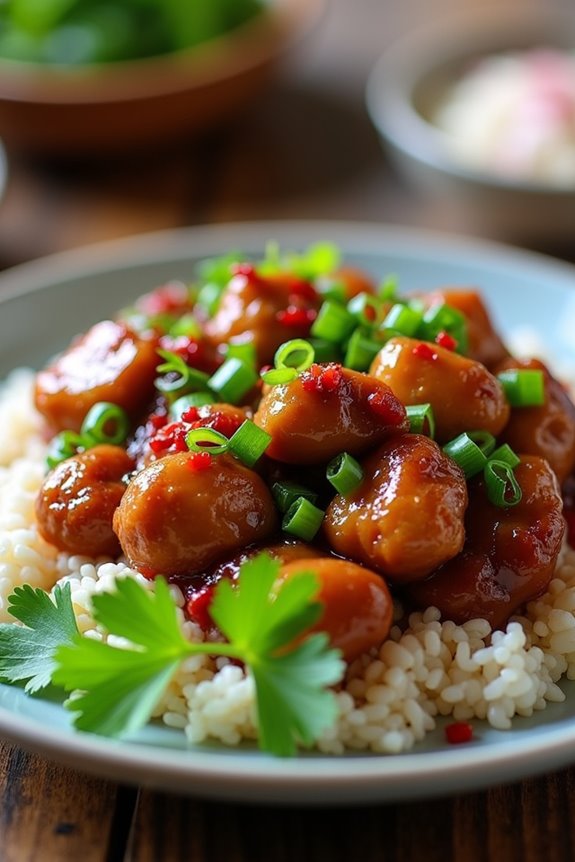
Making Mongolian Chicken is a simple and exciting way to bring a taste of Asia to your dinner table. This dish is all about that sweet and savory flavor coming together in a delightful stir-fry. Just follow these easy steps for a meal that will have everyone asking for seconds.
- Prep the Chicken: Start with boneless, skinless chicken thighs or breasts—around 1 pound should do. Cut the chicken into bite-sized pieces. This step is essential as it guarantees the meat cooks quickly and evenly.
- Make the Sauce: In a mixing bowl, combine ½ cup soy sauce and ½ cup brown sugar. Stir until the sugar dissolves, then add in 2 tablespoons minced garlic and 1 tablespoon minced ginger. This is where the magic begins; the aroma will make you excited to cook.
- Coat the Chicken: Sprinkle the diced chicken with 2 tablespoons cornstarch and mix well until all pieces are coated. This helps create that nice crispy texture.
- Heat the Pan: Heat up 2 tablespoons of vegetable oil in a large skillet or wok over medium-high heat. Once the oil is shimmering, it’s time to cook!
- Cook the Chicken: Add the chicken to the hot pan in a single layer. Sauté for about 4-5 minutes, turning occasionally, until it’s golden brown and cooked through. Don’t crowd the pan; if needed, do this in batches.
- Add the Sauce: Pour the prepared sauce over the cooked chicken and stir to combine. Let it simmer for about 2-3 minutes, allowing the flavors to meld and the sauce to thicken slightly. Keep an eye on it; you want it glossy, not burnt.
- Finish with Green Onions: Toss in 2-3 chopped green onions and if you’re feeling adventurous, a pinch of red pepper flakes for some heat. Stir everything together for another minute until just combined.
- Serve It Up: Once done, remove from heat and garnish your dish with fresh cilantro. You can serve this over steamed rice, which will soak up all those amazing flavors. Using high-quality kitchen gear enhances your cooking experience, making it easier to achieve gourmet results that impress.
And there you have it—Mongolian Chicken that’s sure to become a family favorite. It’s quick, easy, and utterly delicious. Just don’t be surprised if you find yourself licking the plate clean.
Enjoy your cooking adventure!
Tips & Variations
Elevate your Mongolian Chicken game with a few easy tips and twists. First off, don’t skimp on marinating time—let it soak in those flavors for at least an hour, or if you can, overnight. You’ll thank yourself later.
If you like a bit of heat, toss in some crushed red pepper flakes; it’ll bring a nice kick.
Also, think about adding veggies like bell peppers or snap peas for color and crunch.
Feeling adventurous? Swap chicken for beef or tofu.
Oh, and make sure to use high-quality soy sauce. Trust me, it makes a difference.
Finally, if your sauce feels too thick, a splash of chicken broth can save the day. Cooking should be fun, after all.
How to Serve?
Serving Mongolian Chicken can absolutely make or break your meal experience. Visualize this: you’ve spent time cooking up this delicious dish, and now it’s time to present it.
I like to serve my chicken over a bed of fluffy rice—jasmine or basmati works wonders. Throw in some steamed broccoli or snap peas for that vibrant pop of color. Just imagine the compliments when your friends see that beautiful plate.
And hey, don’t forget the drizzle of that rich, savory sauce on top! It really ties everything together.
Pair it with a light, crisp salad or some warm naan on the side. Trust me; your guests will feel like they’d just walked into a fancy restaurant, but it’s just your cozy home. How cool is that?
Storage & Reheating Guide
While you might be tempted to dive right into that tempting plate of Mongolian Chicken, it’s important to think about storage first. So, if you have leftovers—or let’s be honest, if you made a double batch because it’s that good—let it cool to room temperature.
Then, pop those beauties into an airtight container and stash them in the fridge. They’ll last about three to four days, although let’s face it, they mightn’t last that long.
For reheating, I usually place them in a skillet over medium heat for a few minutes, adding a splash of water to keep them juicy. It’s also important to have the right commercial kitchen equipment on hand to ensure safe storage and reheating.
If you’re feeling fancy, you can microwave them, but go low power to avoid rubbery chicken. Enjoy!
Final Thoughts
After savoring that delicious plate of Mongolian Chicken and thinking about how to handle the leftovers, it’s time to reflect on the entire experience.
I can still taste that perfect blend of savory and sweet—who knew cooking could feel like both an adventure and a hug from the inside? I mean, if cooking doesn’t feel cozy, what’s the point?
Whether you enjoyed it solo or shared it with friends, I hope it warmed your heart like it did mine.
And those leftovers? They’re just a bonus. Don’t overthink it—use them in a stir-fry or on a salad.