
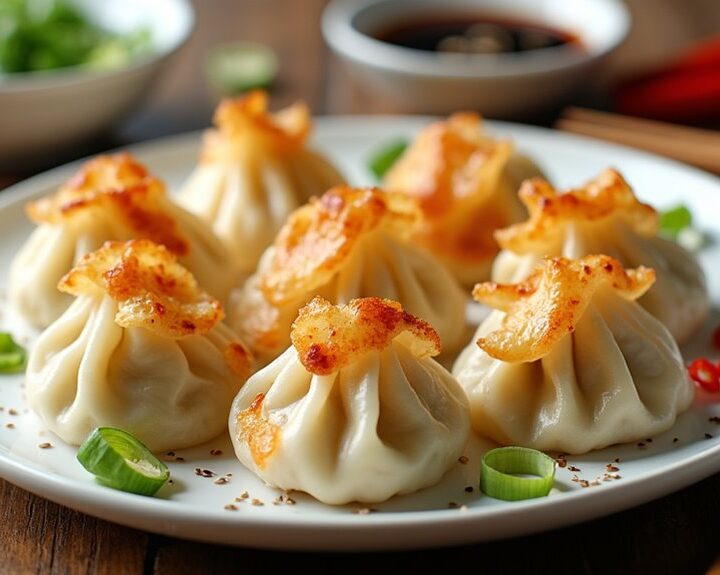
When I think of jiaozi, I can’t help but feel all warm and fuzzy inside. These little potstickers are not just food; they’re memories wrapped in dough. I mean, who doesn’t love biting into a crispy, tender dumpling filled with juicy pork or veggies? Trust me, once you get the hang of it, the possibilities are endless. So, are you ready to learn how to make these delightful bites? Let’s get started on this tasty adventure.
Why You’ll Love This Recipe
When it comes to cooking beef chops, let me tell you, there’s nothing quite like the mouthwatering aroma that fills your kitchen as they sear away. I mean, who doesn’t love that?
When I first tried making pan-seared brined beef chops, I was amazed at how easy it was and how fancy I felt. The brining process makes the meat so juicy and flavorful.
Imagine this: a perfect crust on the outside, tender inside, and those herbs adding a hint of magic. It’s a crowd-pleaser for sure, whether for a special dinner or just a weeknight treat.
Plus, the leftovers? They can turn a plain sandwich into something extraordinary. Trust me, you’ll love these chops. They’re just that good.
Equipment List
Cooking up those delightful pan-seared brined beef chops is a fantastic experience, but let’s not forget about the tools we need to make it happen.
First off, you’ll want a heavy skillet—preferably cast iron—to achieve that perfect sear. A pair of tongs is a must for flipping, because who wants to risk burning their fingers? A meat thermometer can be a real lifesaver too; nobody wants overcooked beef.
Don’t forget a sharp knife for slicing against the grain—that’s key for tender bites. Finally, keep a cutting board handy for prepping.
Oh, and a spatula? Totally optional but makes me feel like a pro. Trust me, having these essentials ready will make the whole process a breeze. Additionally, investing in a quality cast iron skillet set can enhance your cooking experience immensely.
Our Ingredients
Making Jiaozi, those scrumptious dumplings, is an adventure in itself. However, just like with those delicious pan-seared brined beef chops, having the right ingredients makes all the difference. Once you have everything you need, you’re halfway to deliciousness.
Let’s explore what you’ll need for your Jiaozi feast. Trust me, nothing feels better than having all your ingredients lined up and ready to go—like a soldier before battle, or maybe just a cook before a meal.
Ingredients for Jiaozi:
- 2 cups all-purpose flour
- 1/2 cup warm water (adjust as needed for dough)
- 1 lb ground pork (or beef, if you prefer)
- 1 cup chopped cabbage (Napa or green)
- 2 green onions, finely chopped
- 1 tablespoon ginger, grated
- 2 garlic cloves, minced
- 2 tablespoons soy sauce
- 1 tablespoon sesame oil
- 1 teaspoon salt
- Black pepper to taste
When thinking about these ingredients, keep in mind the importance of freshness. Fresh veggies won’t only add crunch but will also make your dumplings pop with flavor.
If you can, visit a local market for your cabbage or green onions; the difference in taste is like night and day. And remember, the type of meat can really change things up. Ground pork is traditional, but ground beef or even a mix could bring an interesting twist to the table.
Plus, don’t sweat it if your dough feels a bit off at first—dough can be temperamental, much like that one friend who just can’t make a decision. Just take your time, tweak it as you go, and you’ll be well on your way to mastering these delightful dumplings.
Happy cooking!
Step-by-Step Instructions
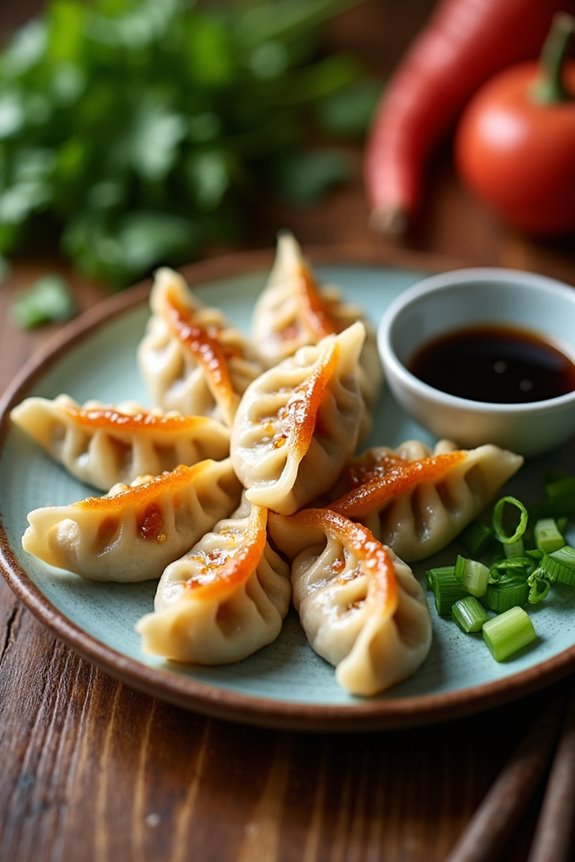
Making Jiaozi is a delightful journey that’s not only about the flavors but also the joy of bringing people together over a shared meal. The great news is that it’s pretty simple to whip up these dumplings—just follow these steps! Ready to get your hands a little floury? Let’s get started!
Step-by-Step Instructions
1. Make the Dough: In a large mixing bowl, combine 2 cups of all-purpose flour with 1/2 cup of warm water. Stir with a spoon until the mixture starts to come together. Now, here’s the fun part—using your hands, knead the dough right in the bowl until it’s smooth, about 5-7 minutes. (If the dough feels too dry, add a tiny splash of water, and if it’s too sticky, toss in a sprinkle of flour.)
2. Let It Rest: Once your dough is all prepped and looking good, cover it with a damp cloth or plastic wrap. Let It Rest for at least 30 minutes. This helps the gluten relax, making it easier to roll out later. (Trust me, it’s worth the wait!)
3. Prepare the Filling: While the dough is resting, it’s time to bring our filling to life! In a bowl, combine 1 lb of ground pork (or your chosen beef), 1 cup of chopped cabbage, 2 finely chopped green onions, 1 tablespoon of grated ginger, and 2 minced garlic cloves.
Add 2 tablespoons of soy sauce, 1 tablespoon of sesame oil, 1 teaspoon of salt, and season with black pepper to taste. Mix it all together until well combined, using your hands if you don’t mind a little mess. (It’s gonna smell fantastic!)
4. Roll Out the Dough: After your dough has rested, divide it into small portions—each about the size of a golf ball. Roll each piece out on a floured surface into thin circles, about 3 inches in diameter. (Aim for them to be even—they don’t have to be perfect circles; just make sure they’re not too thick, or they’ll be chewy rather than deliciously tender!)
5. Fill the Dumplings: Place about 1 tablespoon of the filling in the center of each dough circle. Now, here’s where the magic happens: fold the dough over the filling and pinch the edges together to seal them tightly. (You can crimp the edges like you’re showing off your dumpling skills or keep it simple with a regular pinch.)
6. Cooking the Jiaozi: You can choose to boil, steam, or pan-fry your jiaozi. For a delightful crisp, heat some oil in a large skillet over medium heat. Place the dumplings in the pan, add a splash of water (about 1/4 cup), and cover with a lid.
Let them steam for about 5-7 minutes until the water evaporates and the bottoms are golden brown. (That sound of sizzling is like music to your ears.)
7. Serve and Enjoy: Once cooked, remove the dumplings from the skillet and serve them hot with your favorite dipping sauce—soy sauce mixed with a little vinegar, perhaps? The combinations are endless. (Get ready to impress everyone with your culinary skills!)
And there you have it! A straightforward way to make these scrumptious jiaozi at home. Remember, cooking should be fun, and don’t stress too much over perfect shapes. Using premium seafood tools, can elevate your cooking experience, so enjoy every step of the process, and perhaps even taste-test along the way; after all, chef’s privilege!
Tips & Variations
While you might think jiaozi are best enjoyed as they are, there are actually plenty of tips and variations that can elevate your dumpling game to a whole new level.
You can play with the filling; try adding mushrooms or shrimp for a twist. Don’t be shy to experiment with seasonings, a splash of soy sauce or sesame oil adds amazing depth.
Now, for cooking, if you want to show off, steam them first, then pan-fry for that perfect crispy bottom.
And hey, if you’re feeling adventurous, serve them with a homemade dipping sauce—soy sauce mixed with vinegar and chili oil is a winner.
Trust me, you’ll surprise your friends and maybe even yourself. Cooking’s about fun, right?
How to Serve?
When it comes to serving jiaozi, I’ve found that presentation can really up the ante. I like to arrange the potstickers on a nice platter, overlapping them just a bit for that cozy, inviting look.
Then, I drizzle some soy sauce mixed with a touch of rice vinegar in a small bowl for dipping. Ever tried adding a sprinkle of sesame seeds on top? It’s a game changer.
I often toss in some sliced green onions for a pop of color—who doesn’t love a bit of green?
And let’s be honest, it makes me look fancy, even if I’m still wearing my pajama pants. A little effort goes a long way in impressing family and friends, don’t you think?
Storage & Reheating Guide
So, after you’ve arranged those delightful jiaozi on a platter and impressed everyone (even if you were in your pajama pants), you might be wondering what to do with any leftovers.
First, let ‘em cool down a bit before you pop ‘em in an airtight container. They’ll keep in the fridge for up to three days.
When you’re ready to enjoy again, don’t just microwave those beauties—they deserve better! I like to heat a non-stick skillet over medium heat, add a splash of oil, and reheat for about four minutes, flipping halfway.
This way, you get that nice crispy bottom again. Trust me, a little extra effort makes all the difference. Using premium cookware sets can elevate your cooking experience, ensuring your jiaozi are perfectly reheated. Enjoy your jiaozi adventures!
Final Thoughts
Cooking can be a bit of a rollercoaster, can’t it? One minute, you’re feeling like a gourmet chef, and the next, you’re wondering why you opened that bag of frozen veggies.
But making jiaozi, oh, it’s something special. I remember the first time I tried folding the dumplings—let’s just say they looked more like pizza than potstickers.
But don’t worry if your shapes aren’t perfect; it’s all about the flavor. Fill them with whatever you love, and the comfort that steams out when you bite in is unbeatable.
Share them with friends for extra smiles, and don’t forget the dipping sauce. So go ahead, roll up your sleeves, and make your jiaozi. I promise, the fun is worth it.